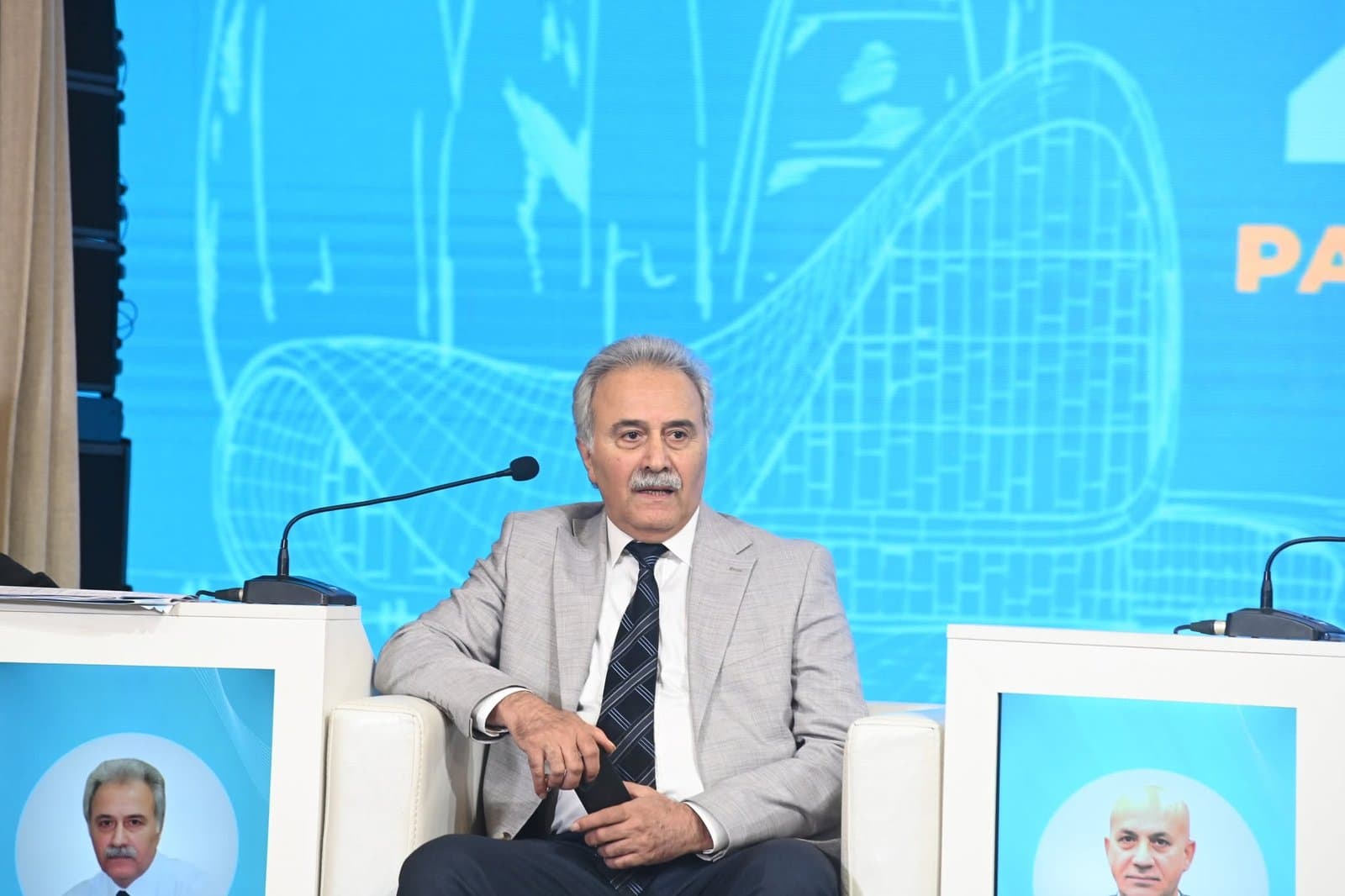


From January 1 to August 1, 2020, Rufat Efendiyev, Doctor of Philosophy in Economics, Associate Professor, Senior Research Fellow of the Department of “Demography and Reproduction Problems of Labor Force” of the Institute of Economics of ANAS, at the University of California, San Diego carried out research on “Migration and integration problems: in the sample of Azerbaijanis in the United States” at the Center for Comparative Immigration Studies (https://ccis.ucsd.edu/people/vs-vgs/Efendiyev). html)
This 7-month study is the next stage in a comprehensive study on the international migration of Azerbaijanis.Using the In-Depth Interview (IDI) method, R. Efendiyev, who participated in this study at a difficult time in connection with the COVID-19 pandemic, has identified the main motives and desires of Azerbaijani migrants in migration and was able to identify and define the respondents opinion on the studied problem. It should be specially noted that the study of the migration behavior of Azerbaijanis is extremely important in terms of understanding the main driving forces and their socio-economic nature. Another important aspect of the study was the study of various aspects of the integration of Azerbaijani immigrants into the United States. The interim results of the study has presented by R. Efendiyev at the Zoom webinar on June 3, 2020, (in English): https://www.youtube.com/watch?v=A_ZgkdorLlU)
The final results of the study will be published soon.
As part of his research experience, R. Efendiyev actively participated in a number of thematic seminars organized by the Center for Comparative Immigration Research. These are «Citizenship in Difficult Times»; «Political Rights of Immigrants in Latin America: Opportunities and Approaches to Configuration Analysis»; “Legitimizing the Impossible: White Russian Refugees and the Development of Immigration and Refugee Act in America during the Great Depression; «Protection of the economic well-being of immigrants and refugees during COVID-19»; «Return to National Security, Epidemics, and Immigration Policy in the United States during a Pandemic»; «Refugees should not be left out of global response to COVID-19: Public Health Prospects in the United States,» etc. topics.
R.Efendiyev's research experience was carried out with the full financial and organizational support of the Fulbright Scholar Program. The program was founded in 1946, by a law put forward by then-Arkansas Senator J. William Fulbright. The Fulbright Program is funded by the US Department of State's Bureau of Educational and Cultural Affairs. The Fulbright Program provides about 8,000 grants (scholarships) for each year. The awards are given to approximately 1,600 American and 4,000 international students, 1,200 U.S. scientists and 900 invited foreign scholars, as well as several hundred teachers and specialists. Since its establishment in 1946, approximately 370,000 Fulbrighters have participated in the program (economics.com.az).