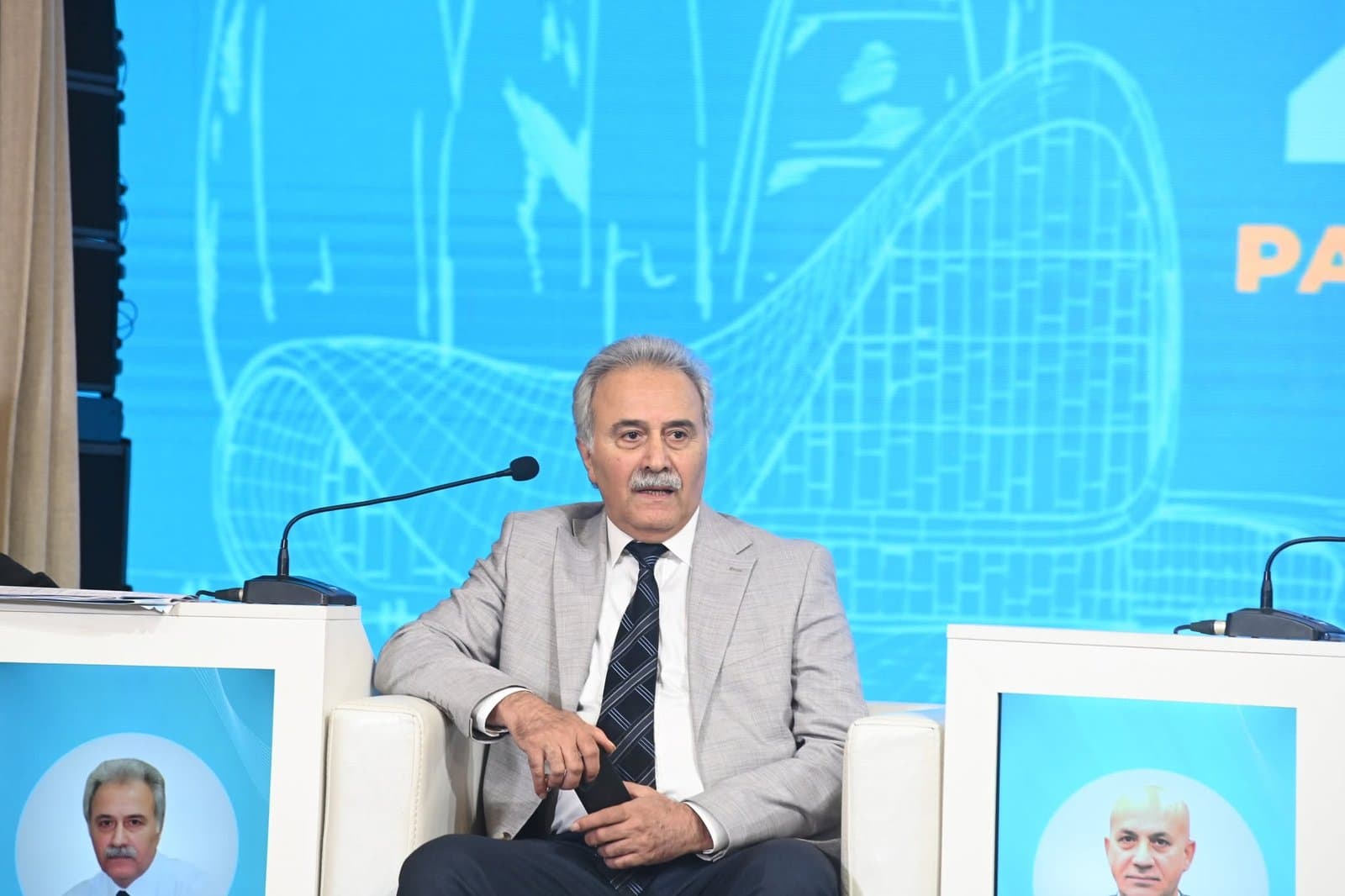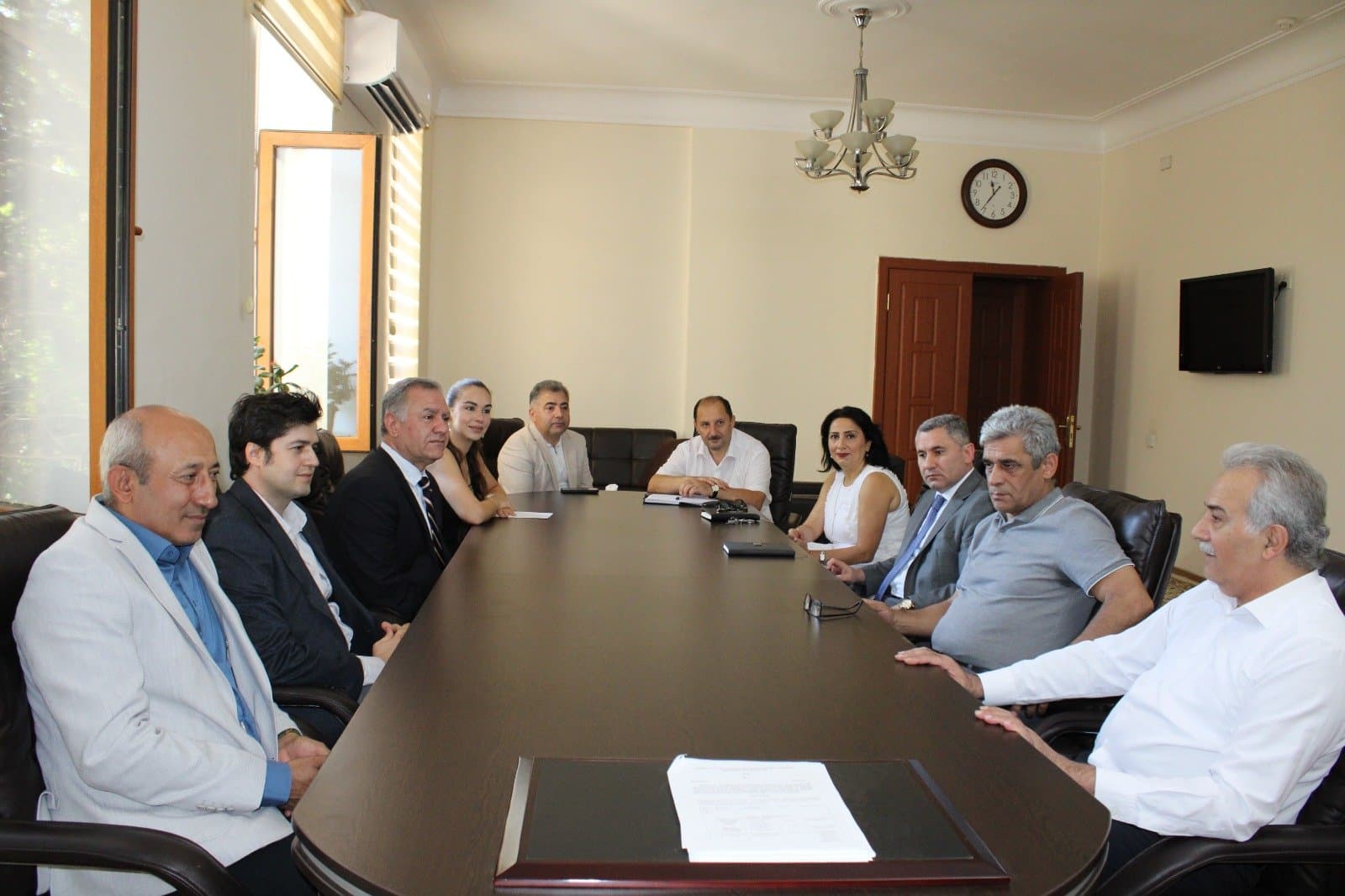


On June 13, 2022, held the next online scientific seminar at the Institute of Economics of ANAS
Employees of a number of higher educational institutions also attended the event chaired by the Director General of the Institute of Economics of ANAS, D.Sc., Professor Nazim Muzaffarli (Imanov).
Leading researcher of the department of "Regulation of foreign economic activity" of the Institute of Economics, Ph.D. in Economics, associate professor Samira Abasova made a report on "Application of green cities in Azerbaijan: current situation, problems, and prospects. "Speaking about the main principles and main features of modern urban planning, the speaker gave a comparative analysis of green, healthy and eco-cities, and spoke about the main advantages. Presented the information on the best international practices in green technologies, in particular the green economy of Germany, Singapore and France, the construction of modern infrastructure, transport management, and smart cities.
According to S.Abasova’s opinion, green cities use modern digital technologies to manage communications and public transport. In green cities, only allowed public transport, cycling and electric cars. Greening of large cities of Azerbaijan, first of all, increase of green belts, creation of new parks; sorting of household waste; applying to public transport to protect the atmosphere from carbon dioxide emissions; ban on the use of private cars in the city on certain days; may occur on the basis of cooperation with the population and local authorities. The application of the experience of green cities in our country is possible only if such cities are created from scratch by attracting large funds from foreign investors and government subsidies. Green cities differ from other cities in that the population makes joint decisions with local authorities on various types of governance.
Then answered the questions. At the seminar discussed Baku's environmental problems and their solution ways, relocation of the capital, proper waste management, reducing traffic congestion, increasing greenery, population participation in green urban planning, eliminating differences between urban and rural areas, the importance of forming an environmental culture (economics.com.az).