

The Institute of Economics is one of the organizers of the conference dedicated to the scientific legacy of Lotfi Zadeh.
The 13th International Conference on Theory and Application of Soft Computing, Computing with Words, Perception, and Artificial Intelligence (ICSCCW-2026), dedicated to the scientific legacy of Professor Lotfi Zadeh, was held in Tbilisi, Georgia, on August 25–26, 2026.
Among the organizers of the international scientific forum were the “Zadeh’s Legacy and Artificial Intelligence” Association, the National Academy of Sciences of Georgia, the Georgian Technical University, the Azerbaijan State Oil and Industry University, the Berkeley Initiative in Soft Computing (USA), a number of universities and research centers in the United States, Canada, and Europe, the Systems Research Institute of the Polish Academy of Sciences, Near East University, as well as the Institute of Economics of the Ministry of Science and Education of the Republic of Azerbaijan.
The conference was opened by Professor Rafiq Aliyev, Chair of ICSCCW-2026. The event was attended by renowned scholars in the fields of fuzzy logic, soft computing, and artificial intelligence. The conference’s keynote speakers included Professor Janusz Kacprzyk of the Polish Academy of Sciences, Professor Witold Pedrycz of the University of Alberta, Professor Tofigh Allahviranloo of Istinye University, Professor Ardashir Mohammadzadeh of Sakarya University, Professor Rahib Abiyev of Near East University, and other prominent researchers.
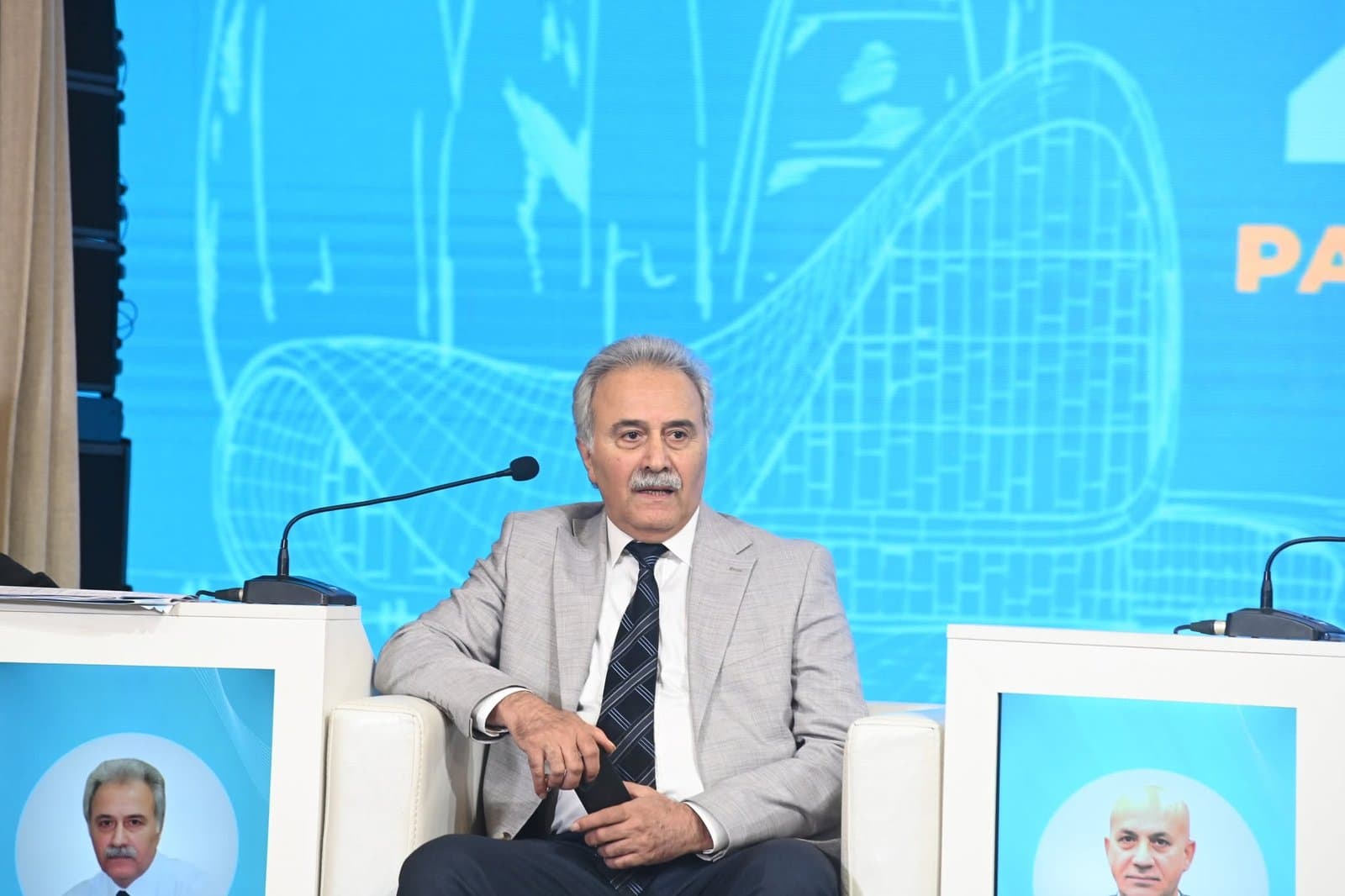
Doctor of Economic Sciences, Professor, Nazim Muzaffarli (Imanov), Director General of the Institute of Economics under the Ministry of Science and Education of the Republic of Azerbaijan, was also one of the keynote speakers at the conference. He delivered a presentation on “Bipolar Measurement in Comparative Economic Research: A Fuzzy Approach and Extended Normalisation.”
At the presentation analyzed the role of bipolar measurement in comparative economic research, the methodological features of fuzzy assessment combined with extended normalisation, the evaluation of economic indicators within the [0,1] interval, and the linguistic interpretation of the results. It also presented the approaches used in comparative studies of countries and regions conducted at the Institute of Economics, including research aimed at assessing the balance between economic liberalism and dirigisme.
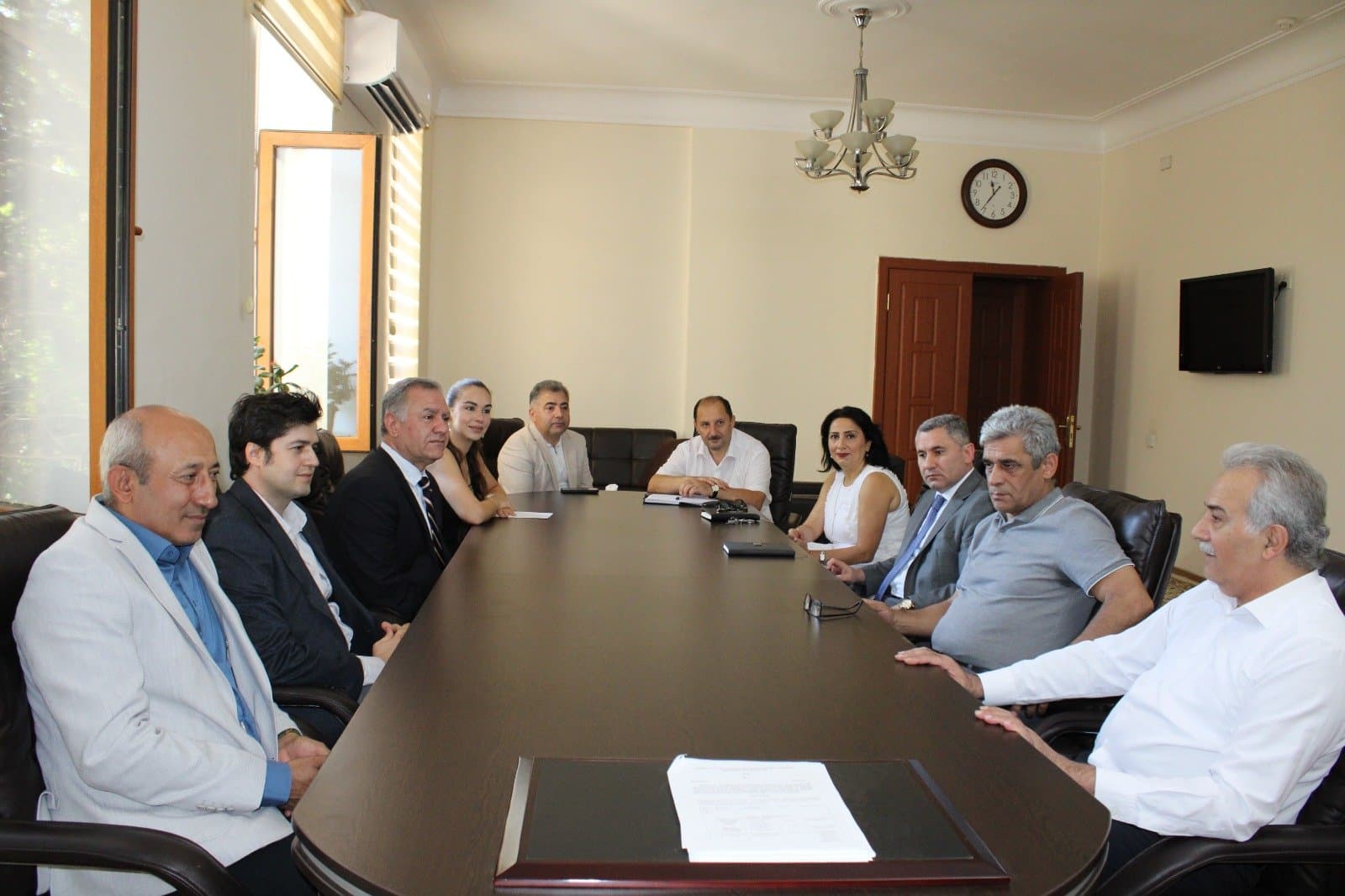
Prof. N. Muzaffarli also served as a moderator of several panel and section sessions held as part of the conference, participated in academic discussions, and exchanged views with international researchers on opportunities for future collaboration. The discussions covered Z-numbers, artificial intelligence and soft computing, decision-making under uncertainty, machine learning, higher-order fuzzy systems, data granulation, and other topical areas.
According to the official conference regulations, scientific articles accepted following the scientific peer-review process are scheduled to be published in Springer’s “Lecture Notes in Networks and Systems” series. The series is indexed in SCOPUS, SCImago, EI Compendex, INSPEC, DBLP, zbMATH, and other international scientific databases. Selected scientific articles are also planned to be considered for publication in a number of SCI journals.
Participation in ICSCCW-2026 was significant in terms of presenting the comparative economic research conducted at the Institute of Economics to the international academic community, establishing new scientific collaborations, and expanding the Institute’s opportunities for international cooperation.